Top CPR Training Tips for First Responders

When emergencies strike, the ability to perform CPR can mean the difference between life and death. For first responders, mastering CPR is not just a skill; it’s a vital part of their job. Whether you are a seasoned professional or new to the field, honing your CPR skills is essential. This post will explore effective CPR training tips that can enhance your readiness and confidence in critical situations.

Understanding the Importance of CPR
Cardiopulmonary resuscitation (CPR) is a lifesaving technique used in emergencies when someone's heartbeat or breathing has stopped. According to the American Heart Association, immediate CPR can double or triple a person's chance of survival after cardiac arrest. As first responders, your role in administering CPR can significantly impact patient outcomes.
The Science Behind CPR
CPR works by manually preserving brain function and blood circulation until further measures are taken to restore spontaneous blood circulation and breathing. It involves chest compressions and rescue breaths, which help maintain blood flow and oxygenation to vital organs.
Essential CPR Techniques
Chest Compressions
Positioning: Ensure the patient is lying on their back on a firm surface.
Hand Placement: Place the heel of one hand on the center of the chest, with the other hand on top, interlocking fingers.
Compression Depth: Compress the chest at least 2 inches deep at a rate of 100 to 120 compressions per minute.
Allow Full Recoil: Let the chest fully rise between compressions to allow blood to flow back into the heart.
Rescue Breaths
Open the Airway: Tilt the head back slightly and lift the chin.
Seal the Mouth: Pinch the nose shut and create a seal over the patient’s mouth with yours.
Breath Delivery: Give two breaths, each lasting about one second, watching for the chest to rise.
The Ratio of Compressions to Breaths
For adults, the recommended ratio is 30 compressions to 2 breaths. For children and infants, the ratio changes to 15 compressions to 2 breaths if two rescuers are present.
Training Tips for First Responders
Regular Practice
Repetition is key. Regularly practicing CPR techniques helps reinforce muscle memory. Consider scheduling monthly training sessions with your team to keep skills sharp.
Use of Mannequins
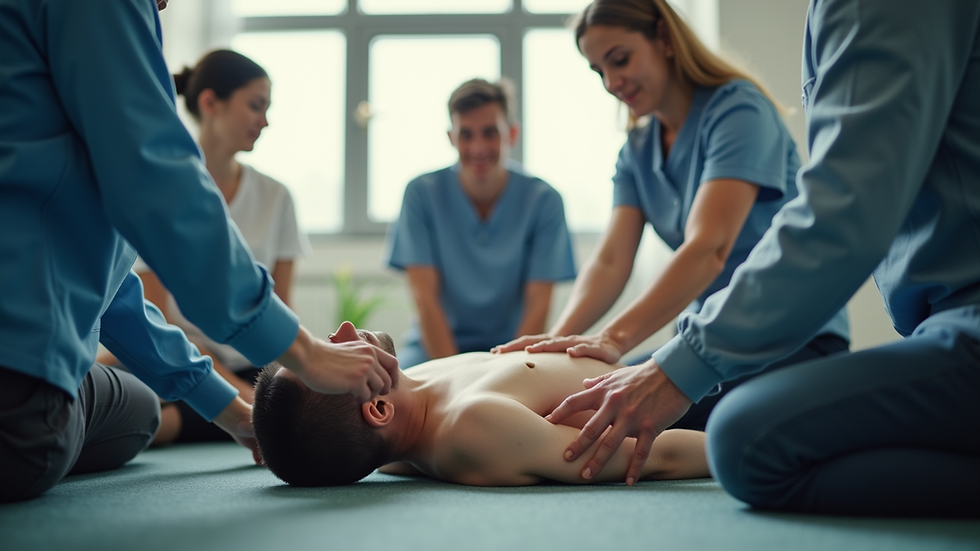
Training with mannequins provides a realistic experience. Choose mannequins that simulate real-life scenarios, allowing you to practice both compressions and rescue breaths effectively.
Incorporate Technology
Utilize CPR training apps and online resources that offer interactive simulations. These tools can provide immediate feedback on your technique and help you improve.
Scenario-Based Training
Engage in scenario-based training exercises. Simulating real-life emergencies can help you apply your skills under pressure, enhancing your decision-making abilities in actual situations.
Stay Updated on Guidelines
CPR guidelines can change based on new research. Stay informed about the latest recommendations from organizations like the American Heart Association. Regularly review and update your training materials to reflect these changes.
The Role of Teamwork in CPR
Communication
Effective communication is crucial during emergencies. Ensure that all team members understand their roles and responsibilities. Use clear, concise language to avoid confusion.
Practice Together
Conduct team drills to practice CPR as a unit. This helps build trust and coordination among team members, ensuring a seamless response during real emergencies.
Debrief After Training
After training sessions, hold debriefs to discuss what went well and what could be improved. This reflective practice can enhance team performance and individual skills.
The Psychological Aspect of CPR Training
Building Confidence
Many first responders experience anxiety when faced with performing CPR. Regular practice can help build confidence. Consider role-playing scenarios to prepare mentally for high-pressure situations.
Managing Stress
Develop strategies to manage stress during emergencies. Techniques such as deep breathing or visualization can help maintain focus and calmness when it matters most.
Legal Considerations
Good Samaritan Laws
Familiarize yourself with Good Samaritan laws in your area. These laws protect individuals who provide assistance in emergencies from legal liability, encouraging more people to step in during crises.
Documentation
After performing CPR, document the incident thoroughly. Include details such as the time of the event, the actions taken, and any witnesses. This documentation can be crucial for legal and medical purposes.
Conclusion
Mastering CPR is a critical skill for first responders. By focusing on regular practice, teamwork, and staying informed about the latest guidelines, you can enhance your effectiveness in emergencies. Remember, every second counts, and your ability to act quickly and confidently can save lives.
Take the next step in your training today. Schedule a practice session, review your techniques, and prepare to make a difference when it matters most.

Comments